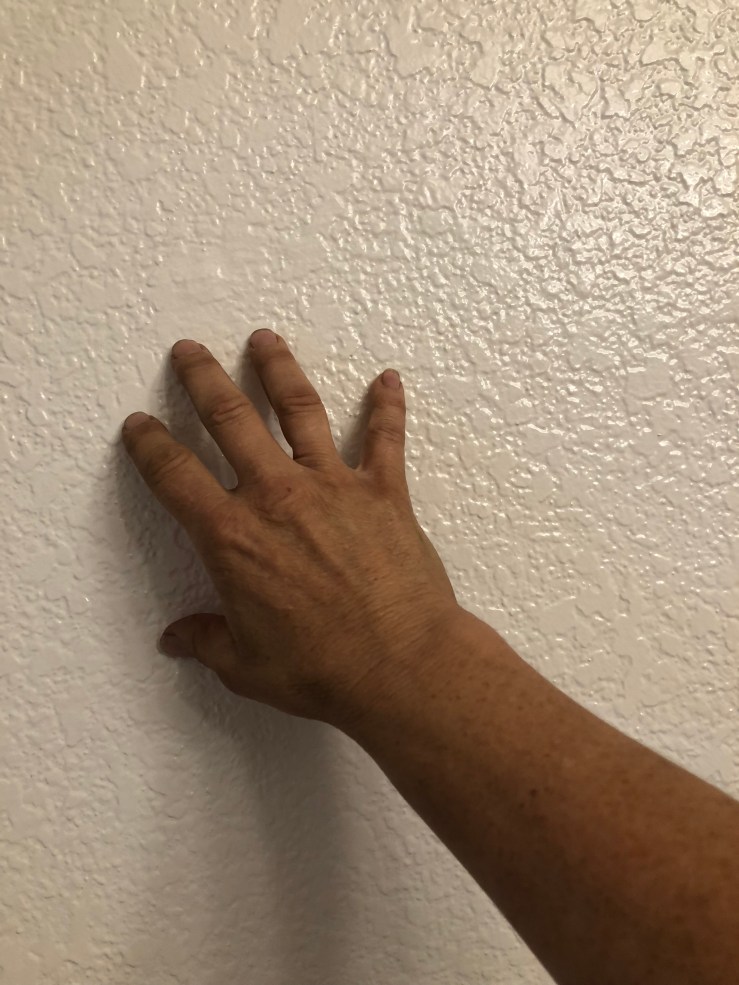
 In medicine we understand balance as a combination of three interconnected properties. One, the sense of where we are in space. This understanding of where we are located in relation to the world around us, and to ourselves, is called proprioception. It’s how we know where our body is aligned in relationship to the ground, the wall, how far over we are leaning, how we know whether our arm is 2 inches or 10 from our body. For most people their proprioception for balance is achieved by sensing the ground through the soles of their feet and up through the long fibers of the muscles to the brain.
The second component is the vestibular system. Housed in the inner ear, the vestibular system is a complex set of canals, fluid and sensors that are all affected by the position of your head, ambient air pressure and your motion.
The third and final component in balance is our vision. Anything that disrupts vision will make us unsteady, off-balance, and potentially cause us to fall.
If any one of these three components are impaired for any reason a person will experience balance problems. Those problems may manifest as something as simple as unsteadiness to symptoms as severe and debilitating as unremitting vertigo, a sense of constant motion. I have treated balance issues for almost 20 years now and, almost universally, those who are experiencing difficulty with their balance are aided by strategies that increase one or more of these areas of the system in order to provide extra support when their balance is stressed. One of the most successful ways to do that is to increase their proprioception. This is especially true at night when our vision is almost always impaired to some degree or another and our balance is poor. I teach my patients that when they get up to go to the bathroom at night they should increase their proprioception by touching the wall as they walk along to the bathroom. This increases their sense of where their body is in space by increasing sensory input through the hand. Almost inevitably people will feel more steady.
I have come to see this same concept of “touching the wall” as an integral part of my mental well-being. Even though it’s hard to ask for support, I have found that when I am not doing well emotionally and I need a little extra help coping that this idea of proprioception on an emotional level holds very true. Reaching out to friends, a spouse, a therapist, or sitting back for that extra breath in and breath out can increase a sense of emotional understanding, awareness, and stability allowing an extra lift, an increased ability to cope and help to avoid a dip. Sometimes you just need to touch the wall.
Peace,
Terry
Breathe it all in. Love it all out.

 Jane of all Trades