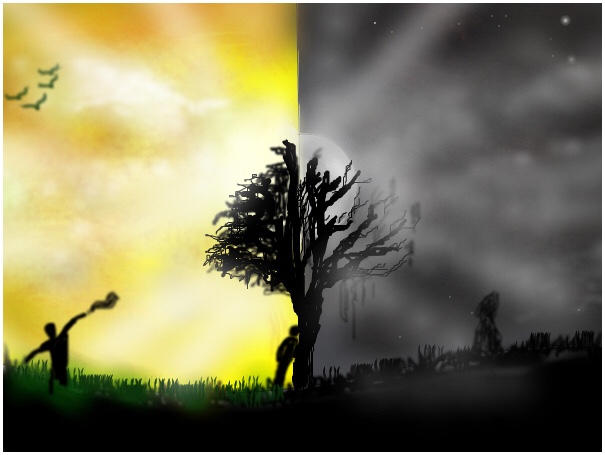
Being Afraid of the Dark

Art by Trisha Fettig

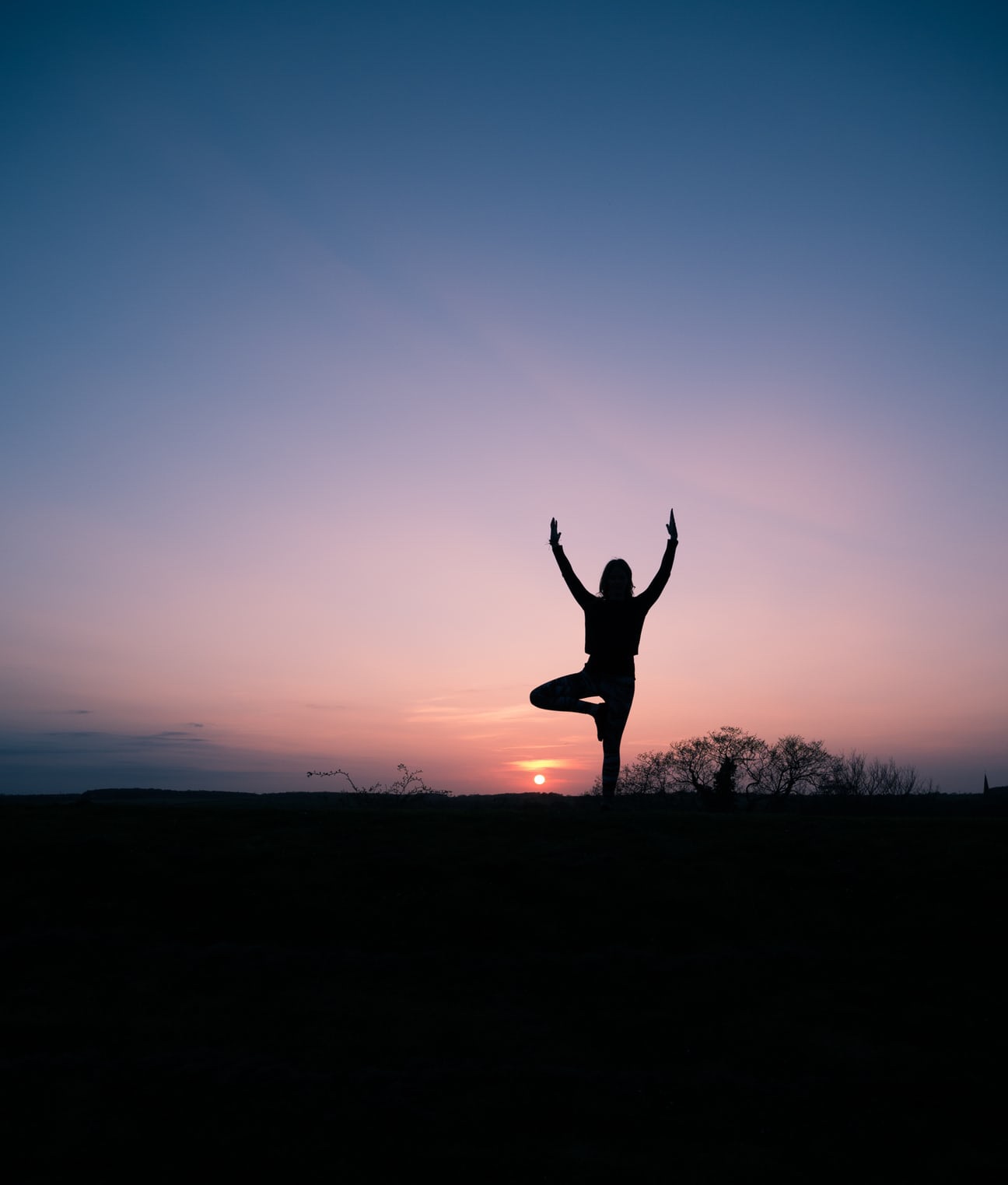
“Yoga is the dance between the light and the dark within you. The light is what brings you back to the mat, and the darkness is what you uncover there. Don’t be afraid of this darkness; these are only shadows and though you’ll have to walk down some pretty dark alleys, remember you are grounded in the light, and that light will set you free.”
 – Amy Jirsa

I have been afraid of the dark since I was very young. Certain that the boogie man was ready to jump out from behind a tree or car, I would tentatively make my way down the street desperate to arrive at my destination.

When I was 12 I lived with my family in a lovely victorian in the Noe Valley district of San Francisco. My bedroom, upstairs, first door on the left, sat above the kitchen with a window out to the roof. That roof provided many hours of lounging in the sun and avoiding everything an almost teenage girl would care to. But at night that same space became a fertile ground for all my fears. In my young mind I imagined some cat burglar coming over the tops of the roofs and coming through my window. I would huddle under the covers afraid to even look. That fear ruled my nights for the 3 years I lived there.

The unknown can be frightening and even paralyzing. When faced with uncertainty people will often hunker down, throw the covers over their head and screw shut their eyes in an attempt to avoid the boogie man. Stressful times can really bring out the more challenging sides of people. Now is a good example of this. As the world deals with an unprecedented health crisis, we have hoarding, price gouging and enormous anxiety. But we also have examples of the best of everyone. Posts on social media offering to pick up groceries for the home bound, communities connecting by social media to prevent loneliness, medical professionals hopping a plane to help their colleagues in New York, grocery clerks keeping us all supplied. These times provide the opportunity for all of us to embrace the fear, lean in and see how we can lift up those around us. Remember the shadows are only there because of the light.
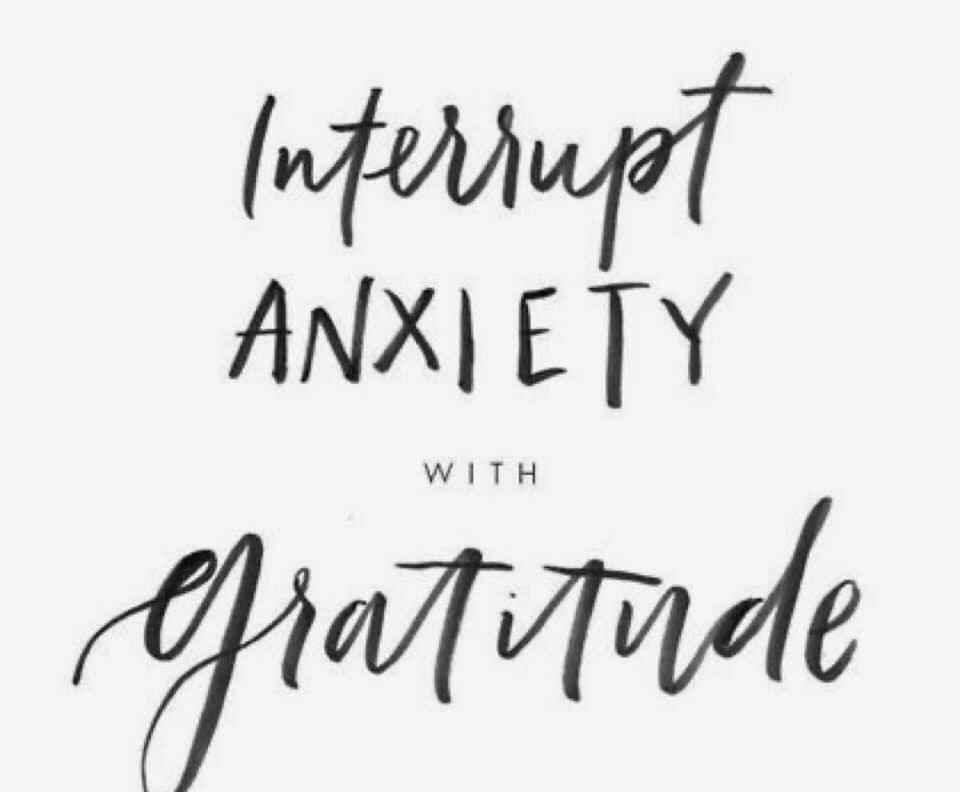

Thoughts on Today

A few thoughts about the world we are in at the moment. It has become a frightening place for many, this world we are watching pass by our front window, our TV, our computer, our phone. It seems to change every day, if not every hour, with new alerts, new fears, new worries. As my own emotions around this (hopefully) once in a lifetime event rise up and I hear the comments and see the reactions of family and friends around me, I am moved to comment.

Please take what you need and leave that which doesn’t speak to you.

Fear is a four letter word. It shakes us and rails at us. Grabs us by the throat when we least expect it. It is the shivering, and the crying and sharp retort. It is the need to crawl under the covers and the inability to stop babbling. The desire to sleep all day and the insomnia plaguing us at night. It is change and the unknown. It’s the need for 6 packs of toilet paper and a 24 pack of beer. It is the hoarding and the grabbing and turning others away. Fear is a four letter word.

Love is a four letter word. It’s a kind word to the nurse who called you back, a thank you to the exhausted cashier, the smile for the handyman who fixed the leak. It’s wrangling the kids, coming up with lesson plans and explaining it all as best you can. It’s calling up your buds just to see how life is and FaceTiming your relative to make sure they have their meds. It’s taking your neighbor’s dog for a walk and letting the older patron slip ahead of you in line. It’s washing your hands and keeping your distance while holding those around you close in your heart. Love is a four letter word.

My friends, in this unsettling time, I want you to know I see you. I hear you. I have not forgotten the warmth of your hug, or tenderness of your kiss. This distance of body is not a distance of heart. I have and will always love you. Call, text, email. I am here.

Looking for Your Drishti

Photo courtesy of Carl Newton

“The use of drishti in asana serves both as a training technique and as a metaphor for focusing consciousness toward a vision of oneness.

Drishti is a technique for looking for the Divine everywhere—and thus for seeing correctly the world around us. Used in this way, drishti becomes a technique for removing the ignorance that obscures this true vision, a technique that allows us to see God in everything.”

David Life

Once again I find myself in what has now become a familiar site, the yoga studio where I am currently learning. Standing on my mat, arms extended, trying to be in the moment. Our teacher is discussing a pose. How the hips are rotated, the angle of the spine, remembering to breathe. Then she says, “Find your drishti point” before we begin to attempt to balance on one foot.

A drishti point is a place during the asanas, or movements of yoga, to focus your gaze, providing an anchor to help you maintain your balance. By giving the vision an unmoving connection, the brain can more easily hold the body stable in an inherently unstable position. It is a concept that pertains to more than physical balance, but to spiritual and emotional equilibrium as well. Sometimes life serves us up more than we had counted on. We find ourselves struggling with rocky emotions, going up and down. The storm seems to toss us about and the tendency is to flail and grab onto whatever we can to stop the fall.

But falling is a part of learning. As toddlers we waddled along on awkward legs exploring our world falling constantly. Sometimes, we’d get a good bonk, scrape our knee, cry from the pain and then move on to the next adventure, repeating the process again and again. But over time we learned to balance, to manage the activities that made us likely to topple, to recognize the positions that helped make us feel more secure, and how to focus to increase our stability.

So it is with those stormy emotional moments. We have to look for the drishti points in our lives that give us that sense of safety, of greater balance. Perhaps it’s external like a good friend, your pet or that spot just ahead of you on the floor. Maybe, instead, it’s inside yourself, like drawing on your sense of humor or leaning on your capacity to hug. It is the focus, whether within or without, that lends that extra stability for you to keep moving forward.

So, ground yourself, my friend. Find that unmoving point ahead (or inside 😊), breathe and go ahead and pick up that foot.

Back of the Heart

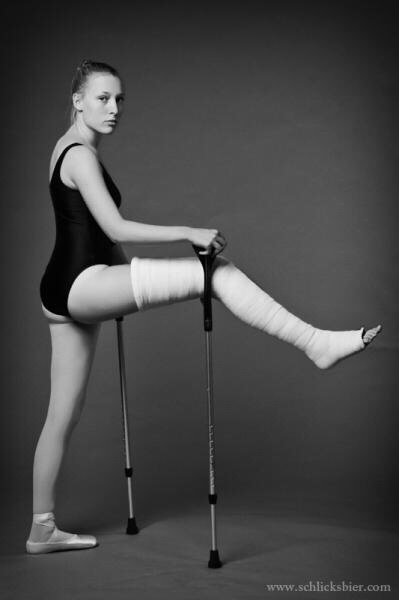
Photo courtesy of Www.schlicksbier.com

“You will lose someone you can’t live without,and your heart will be badly broken, and the bad news is that you never completely get over the loss of your beloved. But this is also the good news. They live forever in your broken heart that doesn’t seal back up. And you come through. It’s like having a broken leg that never heals perfectly—that still hurts when the weather gets cold, but you learn to dance with the limp.”

Anne Lamott

Today I experienced a great sense of loss. More anticipatory than real but the feelings stopped me in my tracks, my breath caught in my chest and I shed a few tears. The sensation of loss was strikingly familiar and suddenly I was transported back into my grief over the loss of my father.

It’s been just over a year since we lost my dad. This once vital and dynamic man who was the life of the party, who gave the biggest, bestest hugs and had the ear everyone turned to, lost his fight with Parkinson’s, a disease that gives no quarter. It slowly robs individuals of much of what makes them who they are: their movement, their voice and sometimes even their thoughts. Watching it happen to someone is incredibly awful, eclipsed only by being the person it’s happening to.

I never felt like I grieved for my father. Not really. We knew he was close to passing the week or so before he died and I spent as much time with him then as I could at his home in the Bay Area, an almost 3 hour trip away. Our family was in the midst of a major move that had been scheduled months earlier when the hospice Nurse Practitioner told me my dad had anywhere from 2 hours to two days left to live. I was so torn. I really needed to be at our house to help my wife with coordinating the movers and I had just visited with my father the day before. I decided I would do the move and then head right to dad’s as soon as we were finished. The phone call came midday as we were loading the moving van. My father had passed at 10am.

Grief and loss are not simple things. There seems to be this popular idea that after a certain time one “should be over it by now”. But losing anyone, much less a parent, is a blow to our soul. It can shake the foundation of your world when that constant in your life suddenly ceases to be present. You see something and think, “I should tell dad this”, and then you remember, “Oh, I can’t”. That blow hits you again and again at unforeseen moments, tearing another wound in your heart each time. And the process is not linear. It goes up and down, stronger then more manageable, seemingly all better to incredible pain and then easing back towards doing well again.

Grief allows the expression of pain/sadness/anger at the loss of something precious to us. It gives us the chance to celebrate the importance of that person to us and the impact they had on our lives. And grief facilitates the release of these powerful emotions so we can feel a sense of closure. It’s a painful process to be sure but ultimately allows you to lovingly incorporate this person into a special place inside.

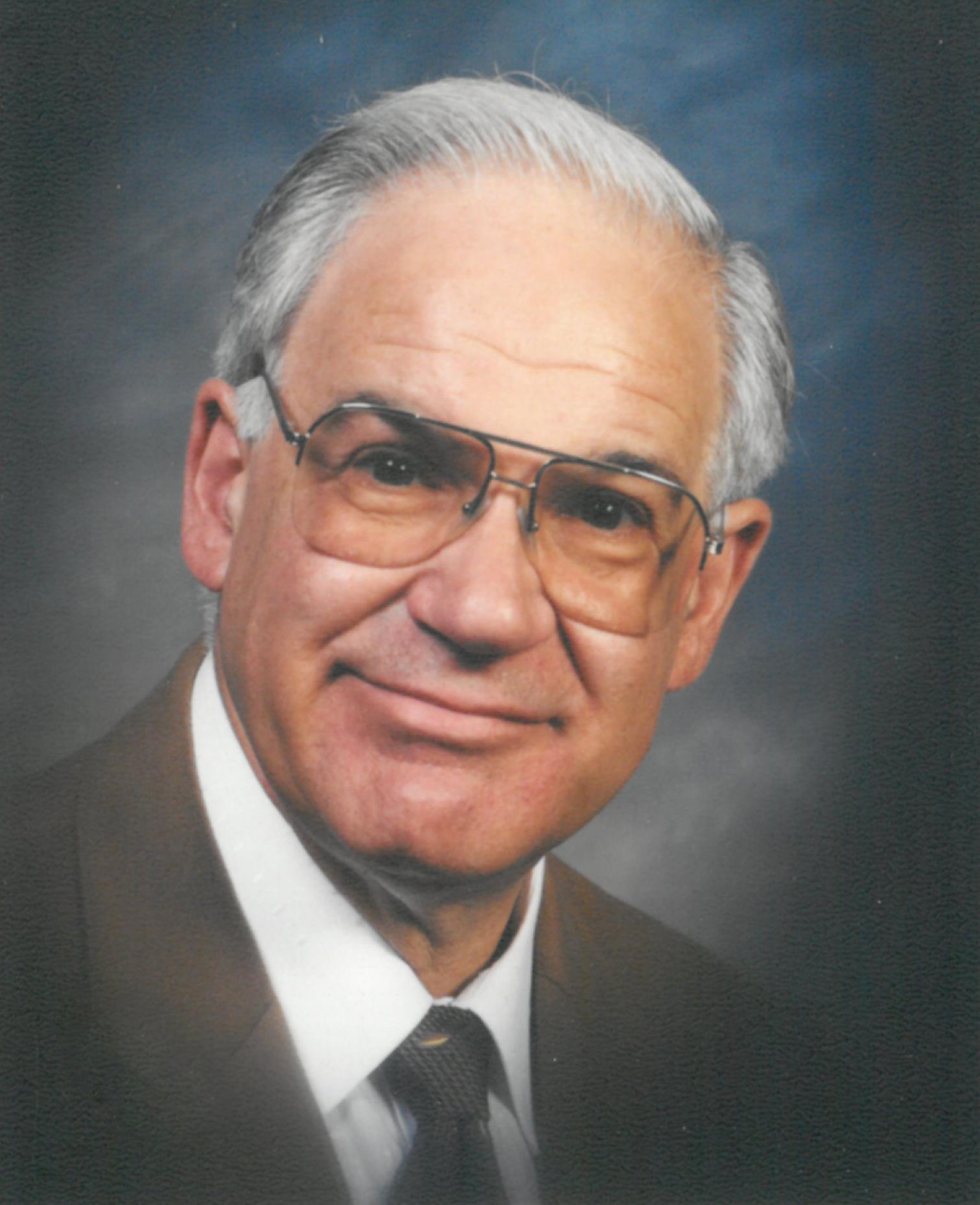
I lost my father August 1st, 2018. He was a husband, father, attorney, physicist, pilot, cyclist, lover of astronomy, champion of civil rights, hippie, supplier of “stone soup”, musician, and the best hugger I have ever met. I’m not done grieving for him yet. And that’s okay. Someone shared the wonderful concept of moving people from the front of the heart, where we keep all those we care for and interact with regularly, to the back of the heart, where they are safe, still held close and thought of with love and affection. “Hold on, dad. I’m just cleaning out the space in the back for you. I love you.”

Peace,

Terry

Breathe it all in. Love it all out.

But I’ve Always Done It This Way

The morning is cold, and I can almost see my breath on the air. There is that hint of rain I can smell but I can’t quite believe is actually coming. The sky is filled with puffy clouds that haven’t graced this neck of the woods for a bit now. Ah….it’s fall.

I love each of the seasons for so many reasons but fall has a tender place in my soul. It is symbolic of so many beautiful concepts and my body expands inside in recognition of this. There’s that “aha” moment when my lungs suddenly fill to their fullest, my head turns up to the sky and I take in the world around me pausing. About then my head says, “What? Why are you stopping? You are blocking the doorway. Oh……that’s why!” And my mind catches up with what my body has already figured out. Ahhhh…..fall.

Fall is about change. The transition from the warm lazy shorts and tank top days of summer to the crisp autumn time of falling leaves and of, at very least, bringing your jacket along with you. It’s the start of the school year, early rising and packed lunches. It’s time for commuting in the dark, hot chocolate and oatmeal. Fall is the rest before the slumber of winter. Fall is change.

Change can be hard. People are conditioned towards patterns which allow us to travel automatically through our days without having to expend extra energy or thought. With change, we challenge our preset ideas and move into a space where we are more engaged in the present moment. Instead of our minds focusing on one thing while our body does something else, we have to consciously evaluate our decisions and actively make choices. Often this is uncomfortable, even a little frightening. But transitions stretch us. Allow us to carve new paths and expand our foundations even if the path is a little steep for us to climb. We have the opportunity for growth and the chance to move that much further towards the person we are meant to be. Ahhh….change.

Peace,

Terry

Breathe it all in. Love it all out.

Here and Now

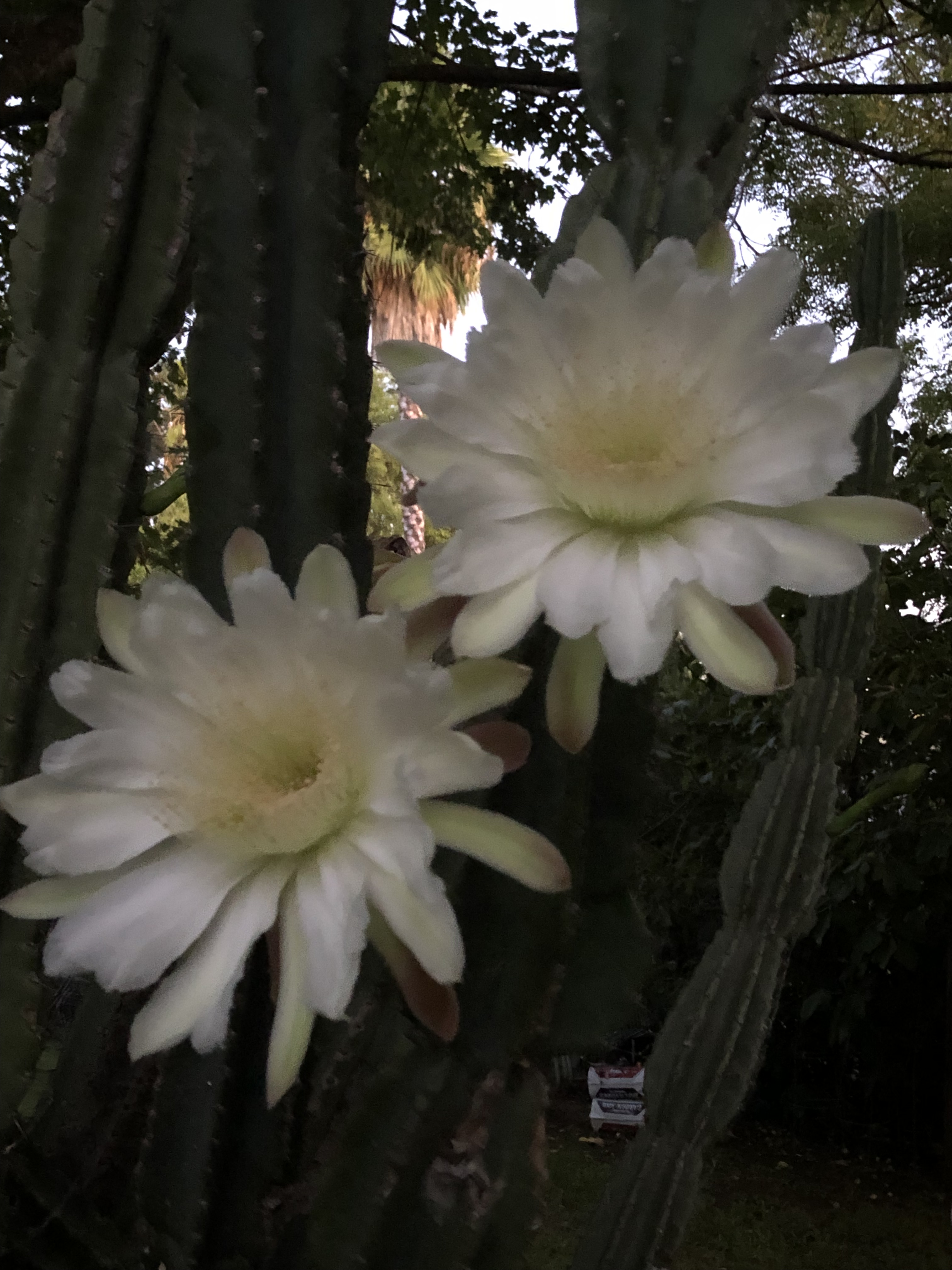
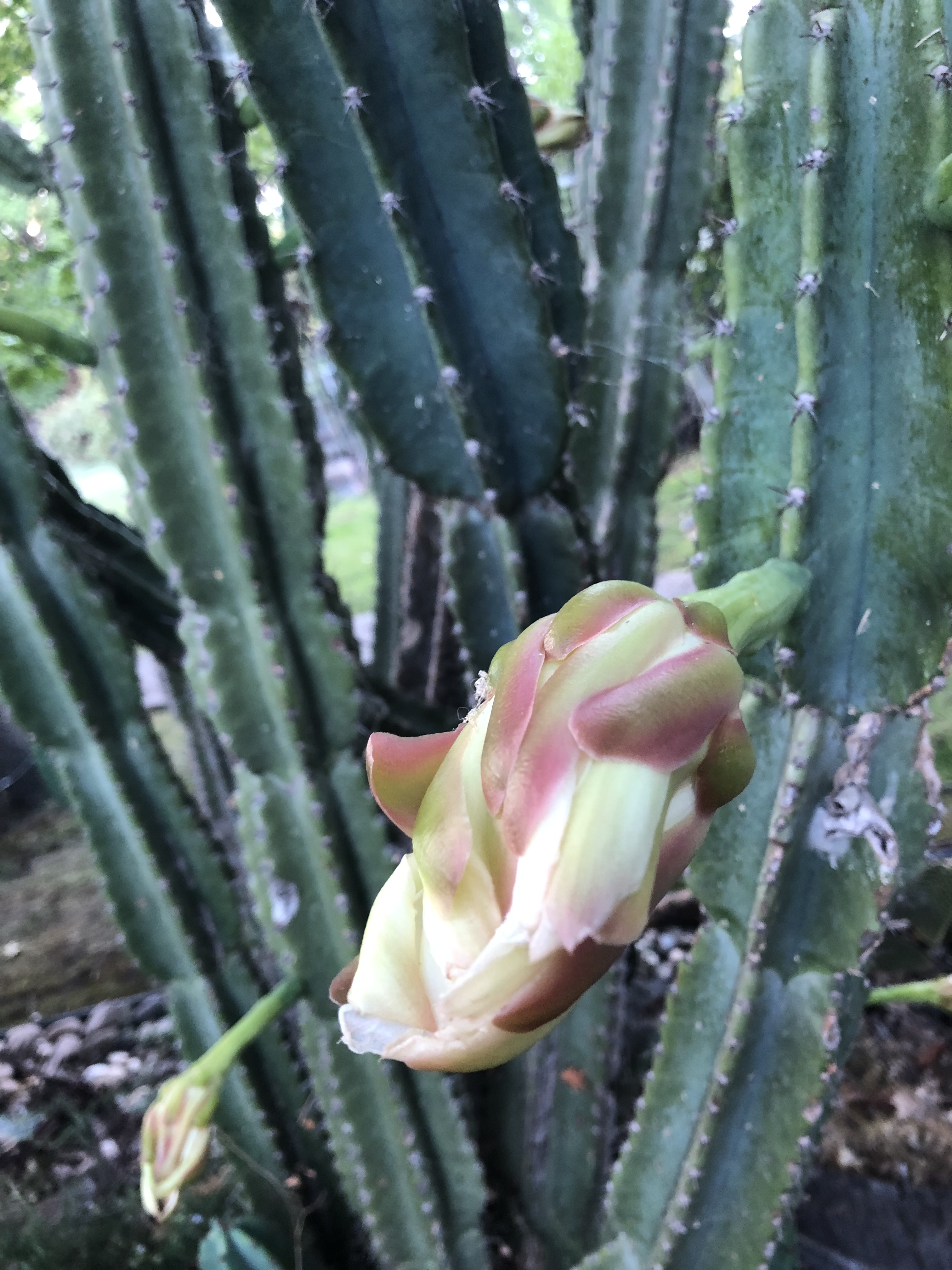
We all have our patterns. Mine has been the same for quite some time now. I rise around five, shower, get myself ready for the day and then care for our animals. In the summer it will be bright out by then. But, as we have entered fall, the mornings have become steadily darker. Today there was barely a hint of light as I went about my chores. When I finished the sun was beginning it’s valiant push to illuminate the sky and, as I began my return to the house, my eye was caught by a white flash of incredible beauty. Cereus hildmannianus , a species of columnar cactus from South America, was blooming in the yard. This Queen of the Night succulent shares its extraordinary beauty in brief bursts that fade away almost as soon as they appear. I hadn’t noticed the buds preparing to open, so I was taken aback by the sudden appearance and loveliness of these gorgeous blooms. This led me to realize I hadn’t been very present.

Being present, living in the here and now, has been one of my primary lessons of late. To see what’s right there in front of you instead of mulling over what has past or worrying about what might be yet to come is an integral part of my yoga practice and one that I work on everyday. For me that means working to settle the squirrels in my head. They dash here. They dash there. But my work is to note where my squirrelly thoughts go, acknowledge them, and then gently bring them back to right now. Kino MacGregor, International Yoga Teacher, describes the concept. “The humble task of yoga is not to get anywhere, but to stay on the sensation of the breath, posture and gazing point to calm the mind and experience the reality of what is. If you set your mind on a goal in the future, whether that is two postures away or two years away, your mind is not fully present. Through the tools of the practice itself, yoga slowly burns away the paradigm of rushing towards the goal. By practicing yoga every day, you walk the non-linear path of presence and learn to accept the ‘now.’ This state does not mean that you cannot visualize your future and still be at peace.” For me it is a constant practice. One that I am sure will continue for the rest of my life. But the gifts of the process of being present are amazing. Not the least of which is the beauty of the garden today.

Peace,

Terry

Breathe it all in. Love it all out.

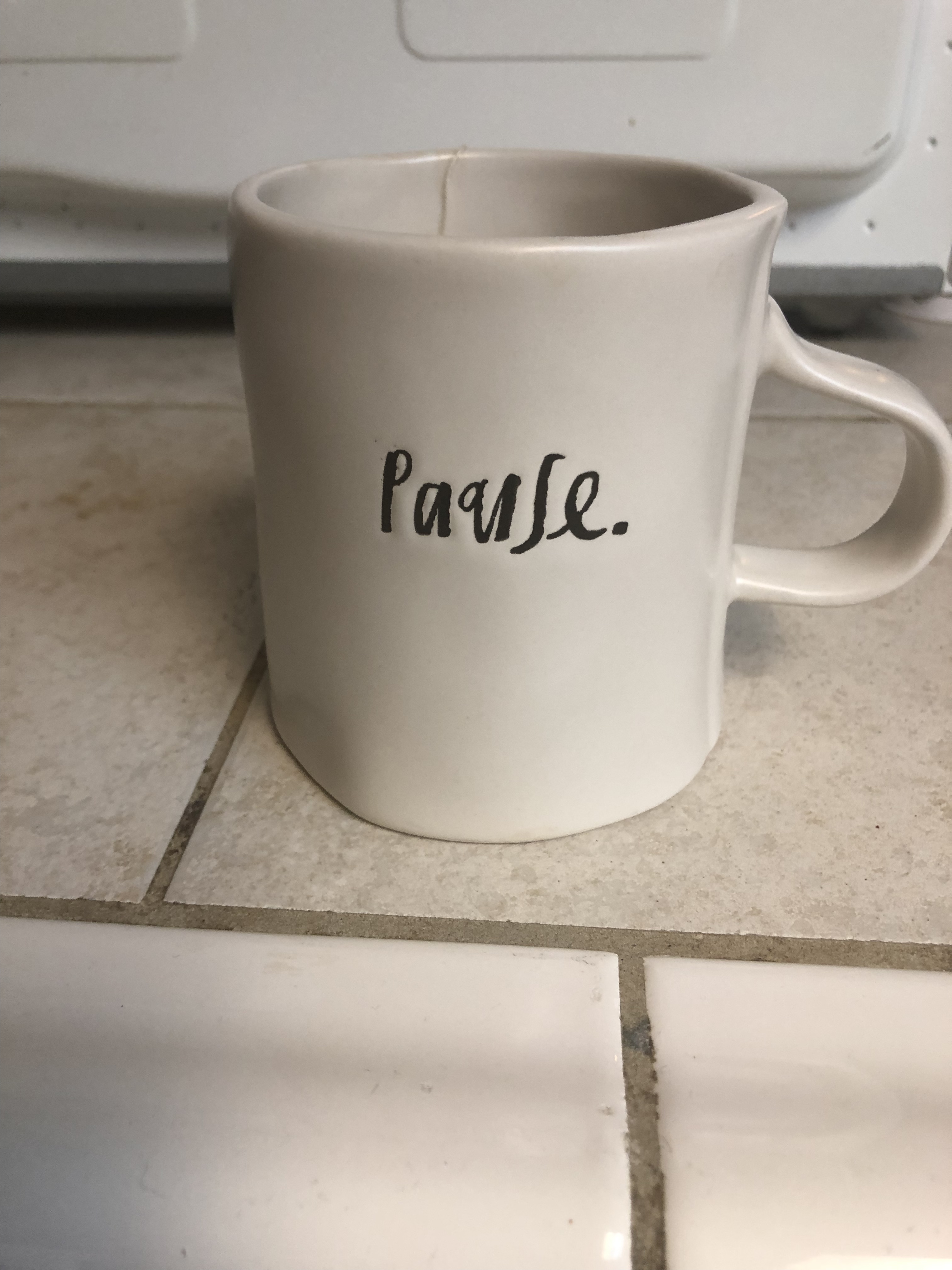
Pause

I sat down with a good friend the other day to catch up. It was so wonderful to connect and check in with each other. But my friend was clearly tired and feeling stressed by her new job where she is pulled in several directions and often feels like she can’t catch up. As we talked, it was clear that she was overwhelmed by the numerous events, feeling out of control at times and often unclear about what to do next. These feelings were beating her down so that her naturally positive nature wasn’t able to shine through.

Life can seem so mind-boggling at times. It is so easy, especially in this modern technologically saturated society, to fall into a space where all the chaos becomes part of the “noise” surrounding you, leaving no clear path standing out. Things swirl all around you and it can feel impossible to decide which way to turn next. The temptation is to want to collapse; give up, letting all the chaos overtake you. And that is when I would invite you to pause.

My friend and I chatted about taking the time to pause, to take a breath and regroup. Together we stopped right then and took some deep breaths. Her face relaxed, her shoulders dropped and her lungs filled. She simply slowed down. I watched the stress just wash right out of her.

In our culture, pausing is often looked at as a sign of hesitation, insecurity, or lack of knowledge. In truth, to pause is to grant ourselves the grace to stop, breathe, regroup and to start again. Try it now. Stop. Whether standing, sitting or lying down, settle yourself for one moment. Take a deep breath through your nose and fill your lungs completely. Then let the air out through your mouth. If you can, allow the exhale to be slightly longer than the inhale. Try again. Inhale through the nose. Exhale through the mouth. One last time. In. Out. Now take a look at your world around you again. What do you notice? Does your breath come a little more relaxed? A shade slower? Are things around you a fraction less chaotic? Can you see your path a bit more clearly? When you notice things starting to wind back up try this again. You deserve the moment. Give yourself the time.

Pause.

Peace,

Terry

“Breathe it all in. Love it all out.”

Touching the Wall

In medicine we understand balance as a combination of three interconnected properties. One, the sense of where we are in space. This understanding of where we are located in relation to the world around us, and to ourselves, is called proprioception. It’s how we know where our body is aligned in relationship to the ground, the wall, how far over we are leaning, how we know whether our arm is 2 inches or 10 from our body. For most people their proprioception for balance is achieved by sensing the ground through the soles of their feet and up through the long fibers of the muscles to the brain.

The second component is the vestibular system. Housed in the inner ear, the vestibular system is a complex set of canals, fluid and sensors that are all affected by the position of your head, ambient air pressure and your motion.

The third and final component in balance is our vision. Anything that disrupts vision will make us unsteady, off-balance, and potentially cause us to fall.

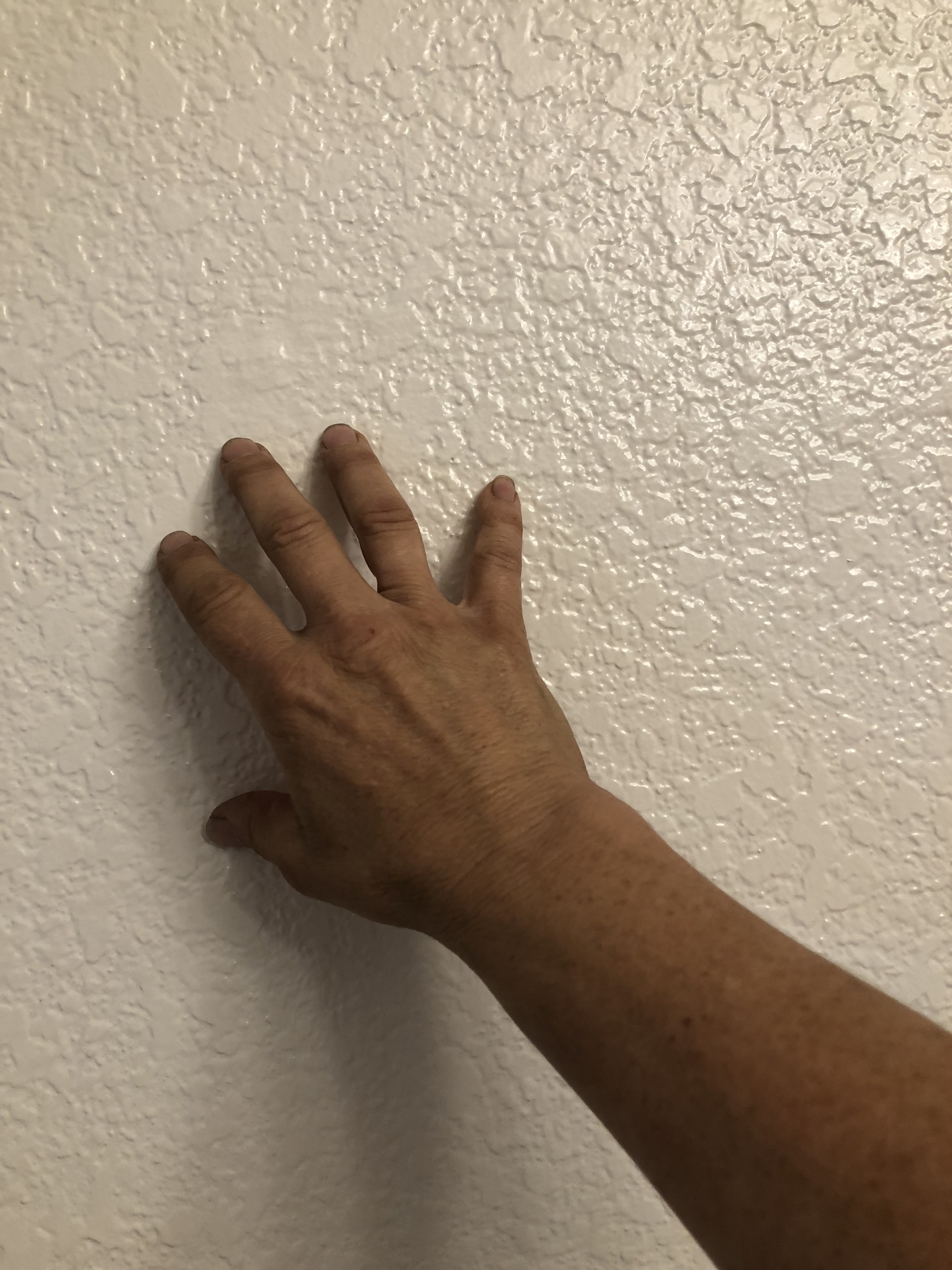
If any one of these three components are impaired for any reason a person will experience balance problems. Those problems may manifest as something as simple as unsteadiness to symptoms as severe and debilitating as unremitting vertigo, a sense of constant motion. I have treated balance issues for almost 20 years now and, almost universally, those who are experiencing difficulty with their balance are aided by strategies that increase one or more of these areas of the system in order to provide extra support when their balance is stressed. One of the most successful ways to do that is to increase their proprioception. This is especially true at night when our vision is almost always impaired to some degree or another and our balance is poor. I teach my patients that when they get up to go to the bathroom at night they should increase their proprioception by touching the wall as they walk along to the bathroom. This increases their sense of where their body is in space by increasing sensory input through the hand. Almost inevitably people will feel more steady.

I have come to see this same concept of “touching the wall” as an integral part of my mental well-being. Even though it’s hard to ask for support, I have found that when I am not doing well emotionally and I need a little extra help coping that this idea of proprioception on an emotional level holds very true. Reaching out to friends, a spouse, a therapist, or sitting back for that extra breath in and breath out can increase a sense of emotional understanding, awareness, and stability allowing an extra lift, an increased ability to cope and help to avoid a dip. Sometimes you just need to touch the wall.

Peace,

Terry

Breathe it all in. Love it all out.